Detained and Deported: What Really Happens at the U.S. Border
- Sami El-Amin
- 8 December 2025
- 0 Comments
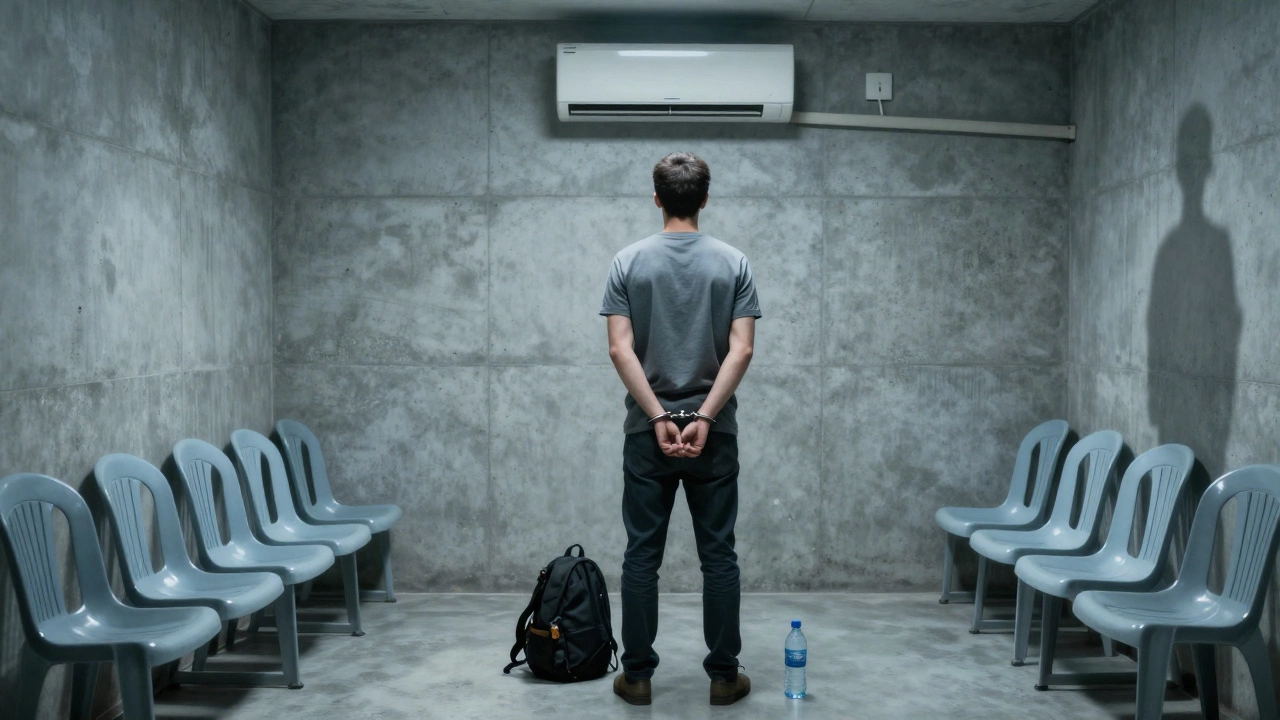
I never thought I’d be the one standing in a cold holding cell at the U.S. border, hands cuffed, waiting for a name to be called out over a crackling intercom. It wasn’t a movie scene. It wasn’t a news headline about someone else. It was me-just a traveler with a valid visa, a return ticket, and a backpack full of books. What happened next changed how I see borders, authority, and human dignity forever. I didn’t break any laws. I didn’t lie. I didn’t try to sneak in. But that didn’t matter. The system doesn’t always care about your intentions. It only cares about the paperwork-and sometimes, even that isn’t enough.
Before I even reached the inspection booth, I was pulled aside by a Customs and Border Protection officer who asked if I’d ever been arrested. I said no. He asked if I’d ever been deported. I said no. Then he asked if I’d ever used escort services in Paris. I froze. I’d been to Paris once, years ago, for a conference. I’d walked the Seine, eaten croissants, and yes, I’d seen signs for escort paris 75 near the metro. But I’d never used them. I didn’t know why he asked. I didn’t know it would become the reason I was detained. That moment, that random, unrelated question, became the pivot point of my entire ordeal. I answered honestly. That wasn’t enough.
The Detention Process Is Not What You Think
Detention at the U.S. border doesn’t look like jail. It looks like a warehouse with fluorescent lights, plastic chairs, and silence. No windows. No clocks. Just the hum of a broken air conditioner and the occasional shout from a guard. You’re not told why you’re being held. You’re not given a lawyer. You’re not allowed to call your family unless they let you. I waited 17 hours. No food. No water. Just a plastic bottle of water handed to me after I asked, twice.
They took my phone, my wallet, my passport. They scanned my fingerprints, my face, my eyes. They ran my name through every database they had. When they found nothing-no criminal record, no visa violations, no prior deportations-they still didn’t let me go. They said I was a "potential public charge." That’s the phrase they used. I had a return flight booked. I had proof of funds. I had a job waiting for me back home. But they decided I might one day need government help. That was enough.
Deportation Isn’t a Courtroom-It’s a Conveyor Belt
They didn’t bring me before a judge. They didn’t give me a hearing. They didn’t even let me see a lawyer. Instead, they handed me a form to sign. It said I was voluntarily withdrawing my application for admission. I didn’t know what that meant. I thought it meant I could come back later. It didn’t. It meant I was being deported. And once I signed, I lost my right to appeal.
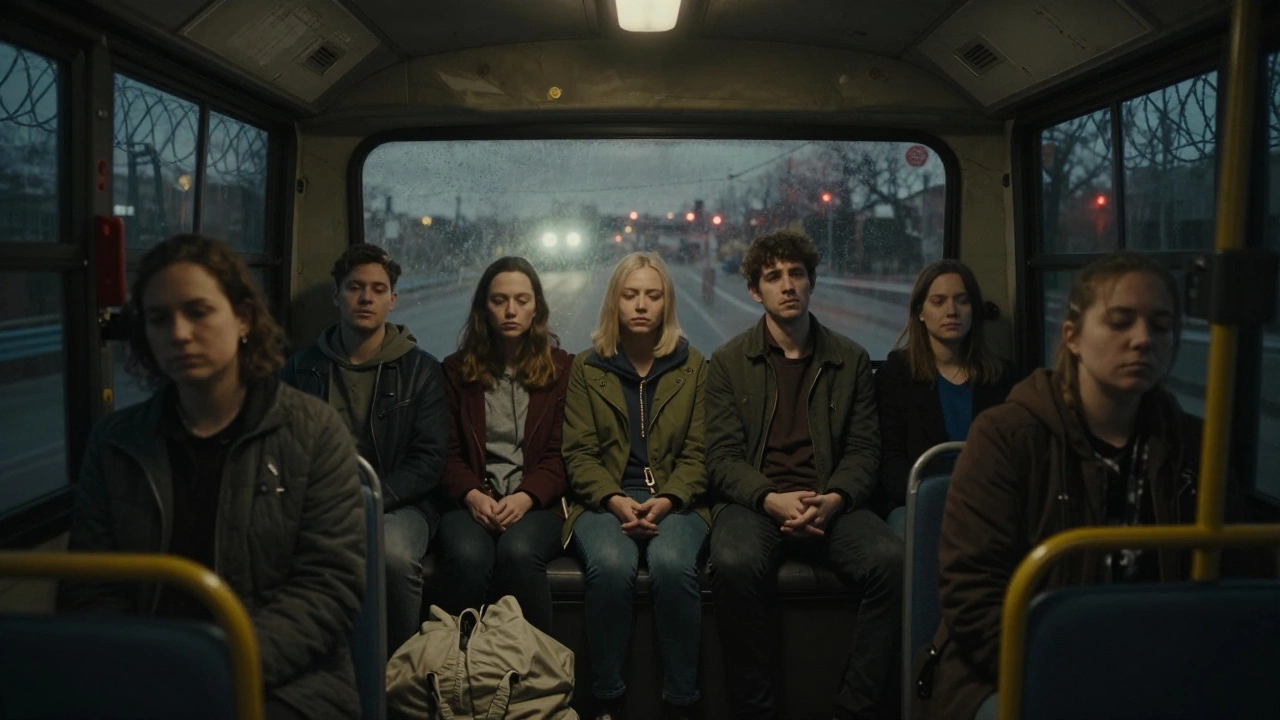
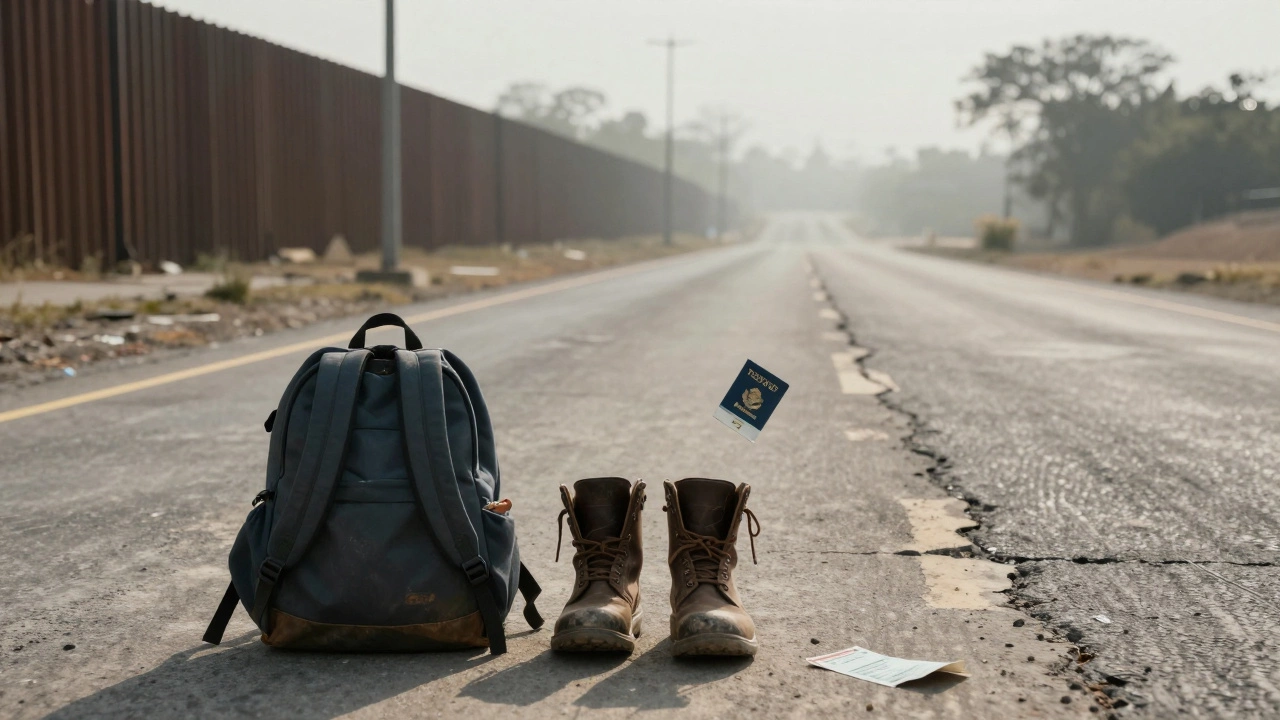
They put me on a bus with six others. All of us had been detained for different reasons: one for overstaying a tourist visa, one for having a past DUI, one for carrying too much cash, one for being from a country on the watchlist. We didn’t talk. No one knew who to trust. We were all just bodies moving through a machine. When we reached the border crossing into Mexico, they didn’t hand us over to Mexican officials. They just opened the door and told us to walk.
What They Don’t Tell You About Border Enforcement
Most people think the U.S. border is about stopping drugs or terrorists. But the reality? Most people detained and deported aren’t criminals. They’re students, nurses, teachers, artists. People who made a mistake on a form. People who didn’t know the rules had changed. People who were asked a question they didn’t understand. The system doesn’t care if you’re innocent. It only cares if you’re inconvenient.
I read later that in 2024, over 200,000 people were denied entry at U.S. land borders. Almost 60% of those denials didn’t involve criminal records. Many were based on vague criteria like "likelihood of becoming a public charge," "inconsistent answers," or "suspicious behavior." There’s no definition for "suspicious behavior." It’s whatever the officer decides in the moment. And if you’re brown, if you’re foreign, if you’re quiet, if you’re nervous-you’re already flagged.
The Psychological Toll
They don’t talk about the silence after deportation. The way your phone rings with unanswered calls from family. The way you avoid airports, even years later. The way you start questioning every decision you’ve ever made. I lost my job because I missed my return flight. My landlord evicted me because I couldn’t pay rent. My friends didn’t know how to help. No one talks about this. No one wants to hear it. But it’s real.
I still have nightmares about the holding cell. The smell of disinfectant. The way the guard’s boots echoed on the concrete. The way they looked at me like I was already guilty. I didn’t do anything wrong. But the system didn’t need me to. It just needed an excuse.
What You Should Know Before You Travel
- Always carry proof of ties to your home country: job letter, lease, bank statements, return ticket.
- Don’t lie, even if you think it’s small. Officers check everything.
- Don’t volunteer extra information. Answer only what’s asked.
- If you’re asked about past travel, be ready to explain it clearly. Even a mention of escort parıs could trigger a deeper search.
- Know your rights: you can ask for a lawyer, but they don’t have to give you one at the border.
There’s no guarantee you’ll be treated fairly. But being prepared gives you a fighting chance.
Why This Happens-and Why It Won’t Stop
This isn’t about one bad officer. It’s about a system designed to be intimidating. The more people who are scared to travel, the less pressure there is to reform it. The more people who are deported for minor mistakes, the more the system feels "effective." And the more stories like mine disappear into silence, the less anyone feels the need to change it.
I’ve since moved to Australia. I have a new life. But I still check my passport every time I leave the house. I still feel a knot in my stomach when I see a uniform. And I still wonder-what if I’d said something different? What if I’d lied about Paris? Would I be home now?
They say borders keep us safe. But sometimes, they just keep us apart. And the people who pay the price? They’re not the ones who broke the rules. They’re the ones who believed the rules would protect them too.
For anyone reading this who’s planning a trip to the U.S., don’t assume you’re safe. Don’t assume you’re invisible. You’re not. And the system doesn’t care if you’re innocent-it only cares if you’re easy to remove.